17 November 2026
Stump Grinding vs. Manual Removal: Which Option Suits Your Yard?
Presented by @matureyardguide
Understanding the Two Main Approaches
After a tree is cut down, what remains is often a stubborn stump that can be an eyesore and a practical problem. Homeowners in Dallas, Georgia, and similar areas typically face a choice between two main methods for dealing with it: mechanical stump grinding or manual removal. Each approach has its own set of advantages and drawbacks, and the right choice depends on your specific yard conditions, the time you have, and what you plan to do with the space afterward.
Stump grinding uses a heavy machine with a rotating cutting wheel to chip away the wood, turning the stump into mulch and small wood chips. Manual removal, on the other hand, involves digging out the stump and cutting through the roots with tools like axes, saws, and sometimes a mattock or digging bar. Both methods can be effective, but they serve different situations. A common question from homeowners is whether to hire a professional stump grinding service or tackle the job by hand. Understanding how each process works will help you make an informed decision.
How Stump Grinding Works
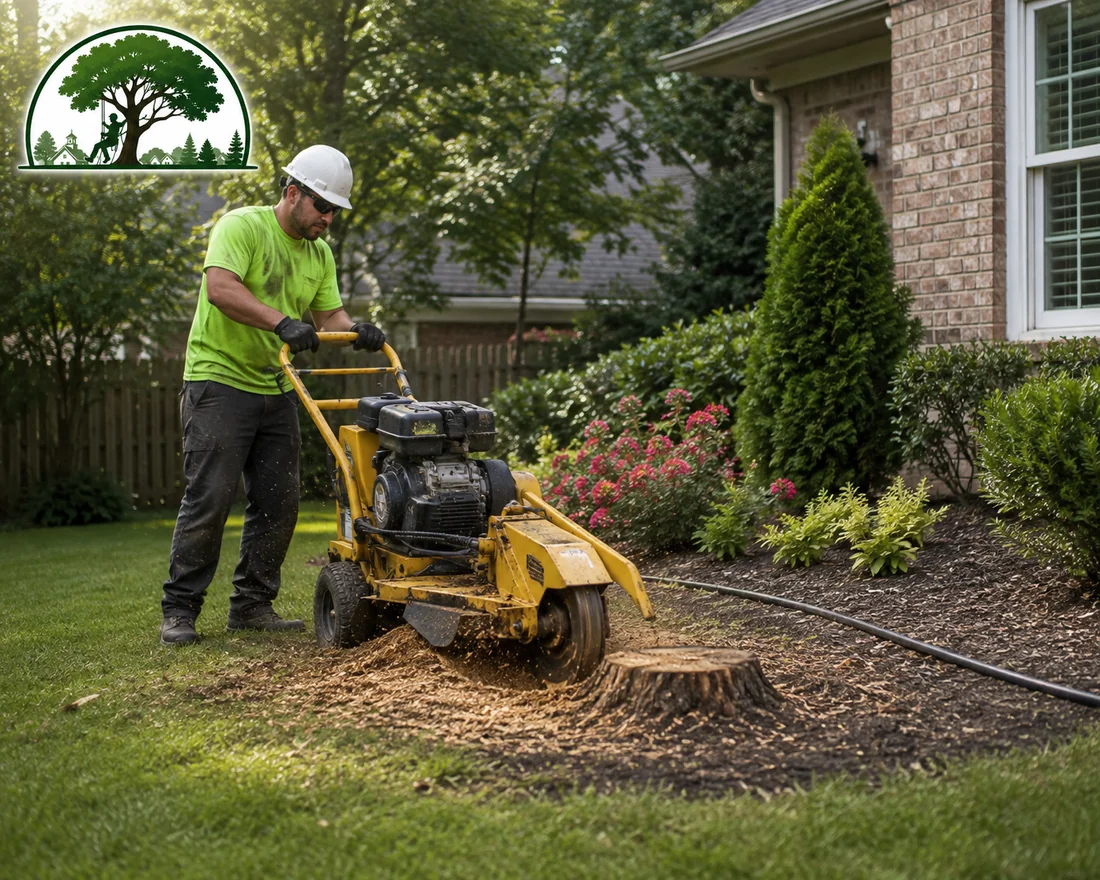
A stump grinder is a powerful machine that grinds the stump down to a mulch-like consistency. The operator positions the machine over the stump and lowers the cutting wheel, which spins at high speed. The wheel chews through the wood and the upper portion of the roots, leaving behind a pile of wood chips and a depression in the ground. The typical grinding depth is about 6 to 12 inches below ground level, though some machines can go deeper if needed. This depth is usually enough to remove the visible stump and most of the surface roots that could cause a trip hazard or interfere with mowing.
The process is relatively fast. A single stump can be ground out in under an hour, depending on its size and the equipment used. The operator controls the machine from a safe distance, so there is less physical strain on the person doing the work. The resulting wood chips can be used as mulch around the yard or hauled away, depending on your preference. Many homeowners choose to leave the chips in the hole to help fill the depression as the wood decomposes.
What Manual Removal Entails
Manual removal is the older, more labor-intensive method. It involves digging around the stump to expose the root system, then cutting the roots with an axe or a pruning saw. For larger stumps, a digging bar or a heavy-duty root saw may be necessary. Once the main roots are severed, the stump can be pried or rolled out of the hole. This process can take several hours for a single stump, and it is physically demanding work. It also requires careful attention to avoid injury from swinging tools or lifting heavy objects.
Manual removal is often chosen when the stump is small, when the soil is loose and easy to dig, or when the homeowner wants to preserve as much of the surrounding soil and root structure as possible. It can also be a good option if the stump is located near a structure, a fence, or a utility line where a stump grinder might be too bulky to operate safely. However, the effort can be significant, and the hole left behind is often larger than what a grinder creates, requiring more fill soil to level the area.
Comparing the Key Factors
When deciding between stump grinding and manual removal, several factors come into play. One of the most important is the size and age of the stump. Old, seasoned stumps with deep, thick roots are very difficult to remove by hand. A mechanical grinder can handle them quickly. Another factor is the condition of the wood. A rotting stump may crumble under a grinder but can be easier to dig out manually because the wood is softer.
Time is another consideration. If you need the area cleared quickly for a project like planting a new tree or laying sod, stump grinding is far faster. Manual removal can take days, especially if the roots are extensive or the ground is hard. The physical effort involved also matters. Not everyone wants to spend a weekend digging and chopping, especially if the stump is large or if there are multiple stumps to remove. Hiring a professional stump grinding service eliminates that labor, though it comes with a cost.
Impact on the surrounding yard is also worth noting. A stump grinder will leave a depression and a pile of wood chips, but the surrounding grass and soil are largely undisturbed. Manual removal often requires a larger excavation, which can disturb nearby plants, lawn, and irrigation lines. The wood chips left by the grinder can be spread as mulch, which is a benefit for garden beds. The stump grinding service can also handle cleanup, leaving the area tidy.
The Role of Roots and Aftermath
Stump grinding does not remove the entire root system. The grinder chips away the stump and the larger surface roots, but the deeper roots remain in the ground. These roots will eventually decay, which can cause soil settlement over time. If you plan to replant in the same spot, you may need to wait a year or two for the wood to break down enough to support a new tree. Some homeowners choose to fill the hole with topsoil and plant grass or shallow-rooted shrubs right away.
Manual removal, when done thoroughly, can remove most of the root system. This leaves a cleaner area for replanting, but it also means you will have a larger hole to fill. The soil that was around the roots will be displaced, and you may need to add several wheelbarrows of fill dirt to level the ground. The trade-off is that the area will have no remaining wood that could attract termites or other pests, and there will be no slow decay that could cause the ground to sink later.
When to Choose One Over the Other
Stump grinding is usually the better choice when you have a large stump, multiple stumps, or when you want a quick, low-effort solution. It is ideal for homeowners who plan to use the area for lawn, a patio, or a garden bed where a slight depression and wood chips are acceptable. The process is safe when done by a professional who knows how to operate the equipment and avoid underground utilities. For those who want a neat finish without the physical toll, a stump grinding service is a practical option.
Manual removal makes sense for small stumps, especially those with shallow roots in loose, sandy soil. It is also preferred when the stump is in a tight space where a grinder cannot fit, or when you want to preserve the soil structure for immediate replanting. If you enjoy physical work and have the right tools, manual removal can be satisfying and cost-effective. However, it is not a job for someone with back problems or limited time.
Another scenario is when the stump is from a tree that was diseased. Some diseases, like oak wilt or root rot, can linger in the soil. Grinding the stump may leave infected wood chips behind, which could spread the disease to other trees. In such cases, manual removal of the stump and as much of the root system as possible is often recommended, followed by removal of the wood chips to reduce the risk of reinfection. This is a specialized situation where you should consult with a local tree care professional for advice.
Safety and Professional Help
Both methods carry risks. Operating a stump grinder requires training and safety gear. The machine is heavy and the cutting wheel can throw debris. Manual removal involves swinging axes and digging in awkward positions, which can lead to muscle strain or cuts from sharp tools. If you are not comfortable with either approach, or if the stump is large or located near a structure, it is wise to call in a professional. A company like Tree Service Dallas GA can assess the situation and recommend the best method. They have the equipment and experience to handle the job safely and efficiently, saving you time and potential injury.
When you hire a professional stump grinding service, they will typically handle all aspects of the job, from positioning the machine to cleaning up the wood chips. They can also advise on whether grinding or manual removal is more appropriate for your specific stump. For example, if a stump is located right next to a foundation, they might recommend careful grinding to avoid damaging the structure. If the stump is in a spot where you plan to put a new tree, they can grind to a depth that allows for future planting or suggest manual removal if the root system needs to be fully extracted.
Making Your Decision
To decide between stump grinding and manual removal, start by evaluating the stump itself. Measure its diameter and check how many roots are visible at the surface. Consider the soil type: clay soil is harder to dig, while sandy soil is easier. Think about your timeline and your own physical ability. If you have a small stump and enjoy a weekend project, manual removal might be a good fit. If you have a large stump or multiple stumps, or if you value your time and energy, stump grinding is the more practical route.
Also consider what you will do with the area afterward. If you want to plant a new tree immediately, manual removal gives you a clean slate. If you plan to lay sod or build a raised bed, the wood chips from grinding can be a useful soil amendment. The depression left by grinding will settle over time, so if you need a perfectly level surface soon, you may need to add fill and wait. For most homeowners, the convenience and speed of stump grinding outweigh the drawbacks, especially when the stump is large or the roots are extensive.
Ultimately, there is no single right answer for every yard. The best choice depends on your specific circumstances. If you are unsure, a consultation with a local tree service can provide clarity. They can inspect the stump, discuss your plans for the area, and recommend the most effective method. For residents in Dallas, Georgia, Tree Service Dallas GA is a local option that can offer professional guidance and perform either type of removal as needed. Their team understands the local soil conditions and common tree species, which helps them give accurate advice.
Whichever route you choose, removing a stump is a worthwhile task that improves the safety and appearance of your yard. It eliminates a trip hazard, makes mowing easier, and frees up space for new landscaping. Taking the time to weigh the pros and cons will ensure you pick the method that suits your yard best.